Masterplanning & Brief
The success of a project is often decided long before design begins. The right masterplan and the right brief create clarity around what is being delivered, why it matters, how it needs to perform and what it will take to get there.
At EEDN, we help clients shape projects at the point where strategy, place and delivery first come together. Our Masterplanning & Brief service gives clients a structured route from early vision and site potential through to a clear development framework that can support decision-making, stakeholder alignment and confident progression into design and procurement.
This is where important questions are answered properly.
- –
What should the site become?
- –
How should it evolve over time?
- –
What are the constraints, opportunities and trade-offs?
- –
How do business targets, operational needs, infrastructure, cost, programme and planning realities come together in one coherent direction?
Creating the framework for good decisions
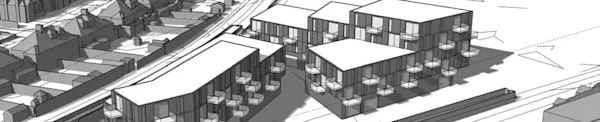
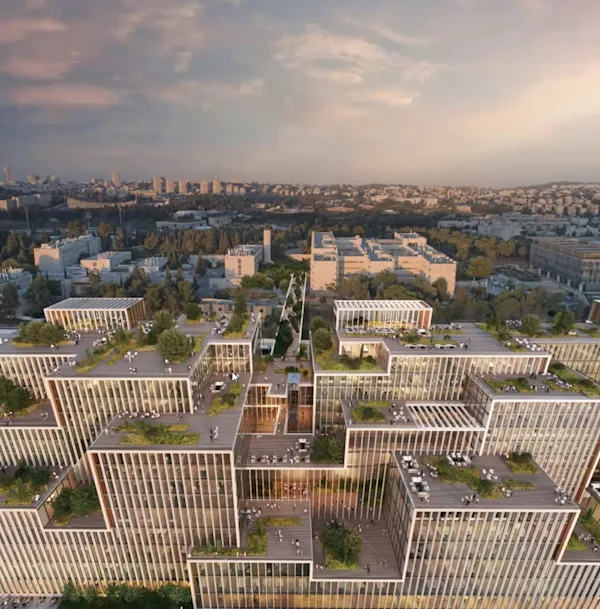
A strong masterplan is not just a drawing. It is a strategic framework for development. It needs to respond to site conditions, planning context, infrastructure, commercial realities, operational needs and stakeholder priorities, while still leaving enough flexibility for future change.
We approach Masterplanning & Brief as a structured front-end service that helps clients define the right project before time and money are spent moving it in the wrong direction. That means combining early analysis, stakeholder engagement, briefing, feasibility thinking and development strategy into one joined-up piece of work.
What we do
Our Masterplanning & Brief service typically includes:
- –
Establishing the project vision, objectives and development drivers.
- –
Testing site constraints, opportunities and strategic potential.
- –
Defining the brief in a way that is clear, practical and aligned with client priorities.
- –
Coordinating stakeholder input to build consensus and reduce ambiguity.
- –
Considering infrastructure, circulation, phasing, landscape and operational requirements from the outset.
- –
Aligning the emerging plan with programme, cost, delivery and governance requirements.
- –
Developing options and testing them against viability, user needs and implementation strategy.
- –
Creating a robust framework that can support planning, design development and future decision-making.
Built around vision, viability and flexibility
Good masterplanning has to do two things at once. It has to be ambitious enough to define a meaningful future for a site, and disciplined enough to make that future deliverable.
That is why we place equal weight on vision and practicality. We look at placemaking, land use, movement, infrastructure, growth, phasing and stakeholder aspirations, but we do so through the lens of what can realistically be delivered and sustained over time. The result is not a static concept, but a working framework that can guide real projects through real decisions.